A practical light bulb reference
What bulb is this?
Match the base you can see, then check voltage, brightness, shape, and the fixture label before you buy a replacement.
U.S. household fixtures · Reviewed August 12, 2026

Start here
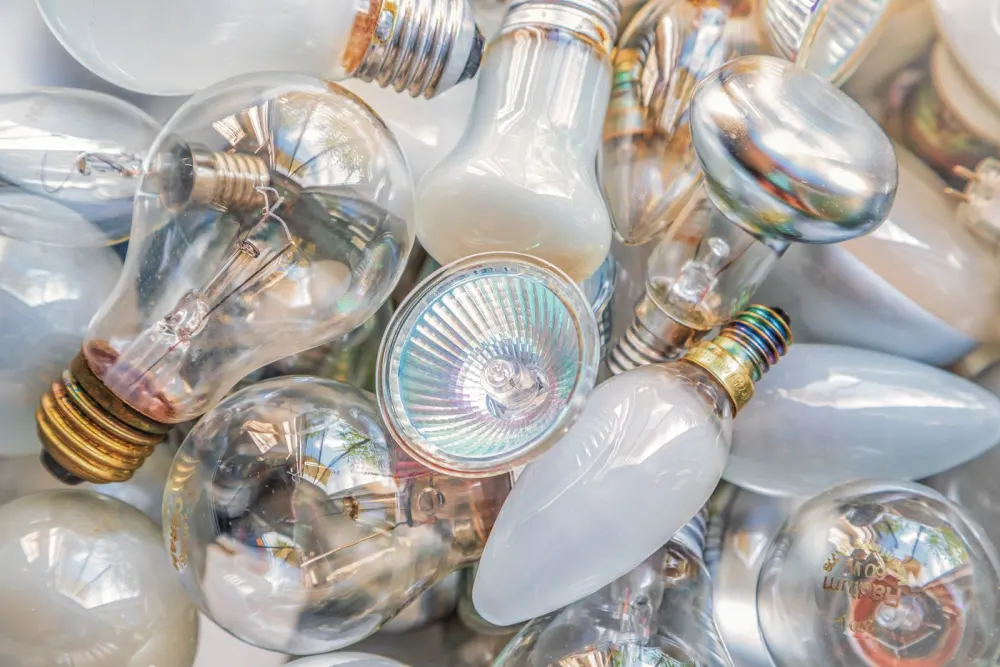
Look at the part that connects to the socket.
A19 and BR30 describe bulb shapes. E26 and GU10 describe bases. If the old printing has faded, the connection is usually the best first clue.
Base finder
What does the base look like?
Choose the closest connection. You can verify the size next.
Switch off power and remove the bulb before measuring. Never put a metal ruler into a live socket.
Common base sizes
Six connections worth recognizing
The number usually points to diameter or pin spacing in millimeters. Open a profile for measurement details and common uses.
E26
Medium screw
E12
Candelabra screw
GU10
Twist-and-lock
E17
Intermediate screw
G4
Straight bi-pin
G9
Looped bi-pin
Why people still look this up
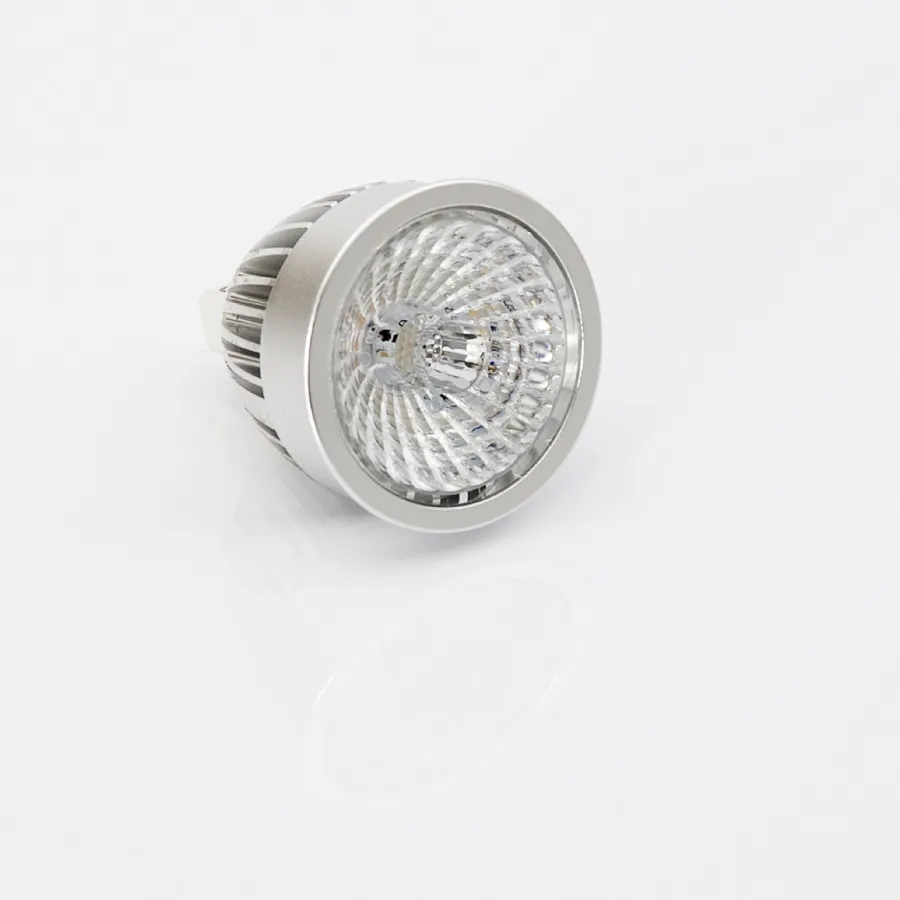
LED is now normal, but replacements are less obvious: integrated modules, appliance ratings, dimmers, imported fixtures, and look-alike bases all create specific questions long after incandescent bulbs disappeared.
Source: U.S. EIA, 2024 Residential Energy Consumption Survey ↗Often confused
Compare codes that look interchangeable
Physical fit is useful evidence. It is not proof of electrical compatibility.
Near in size, not a universal electrical match
The one-millimeter size difference is less important than the fixture voltage, bulb voltage, and regional safety certification.
Read comparison →E12 vs E14Different screw diameters
E12 is the common U.S. candelabra base; E14 is a larger small Edison screw used in many imported fixtures.
Read comparison →BR30 vs PAR30Same nominal diameter, different beam
BR30 produces a broad, soft-edged flood. PAR30 produces a more controlled, higher-intensity beam.
Read comparison →BR30 vs BR40Same lamp family, different diameter
BR40 is wider and usually brighter. It may not fit a shallow or narrow recessed can designed around BR30.
Read comparison →Fixture guides
Where a normal bulb may be the wrong bulb
Cold, heat, vibration, covers, and electronics change what a safe replacement needs.
From the BulbMatch notebook
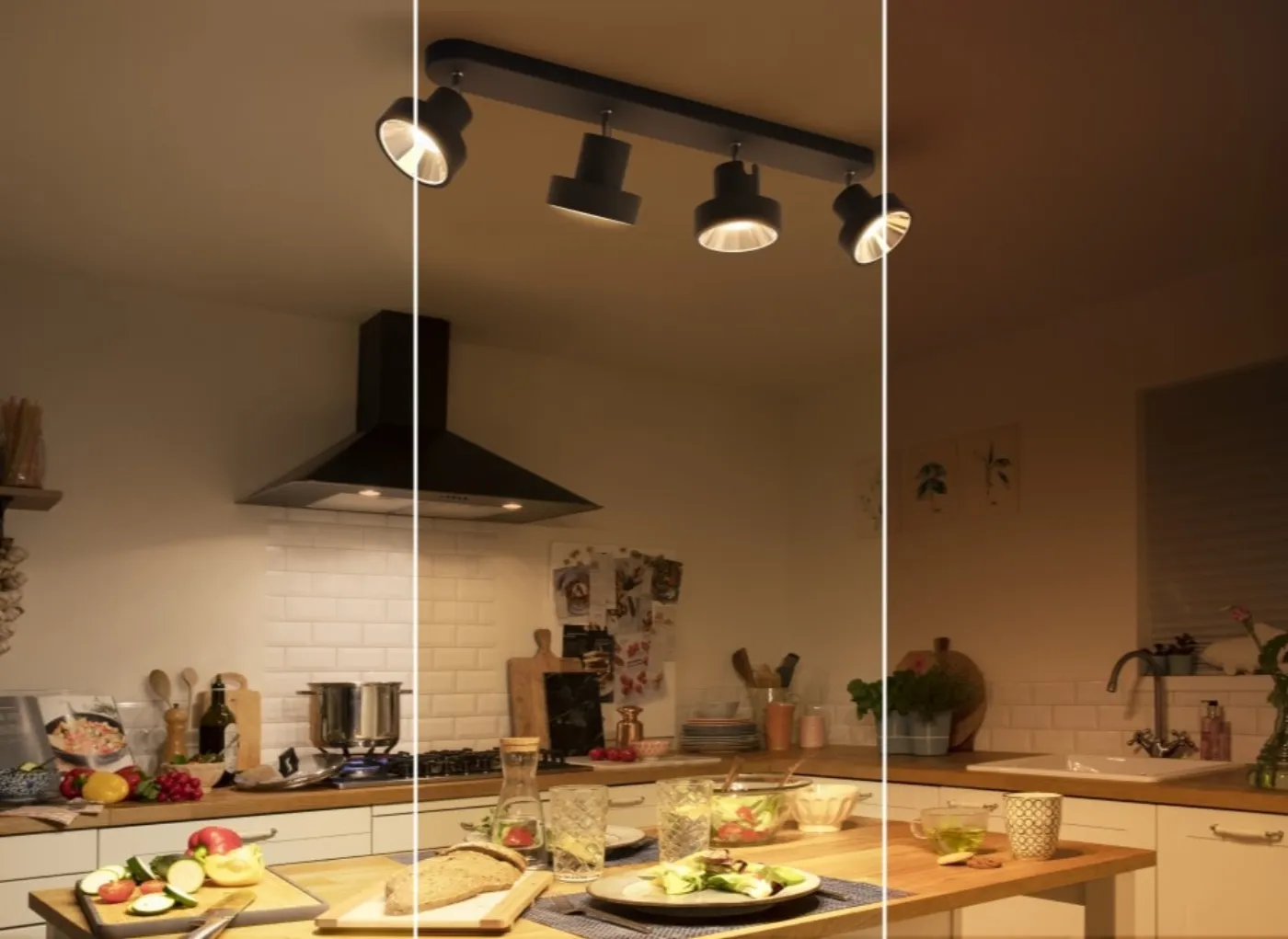
2700K vs 3000K vs 5000K Light Bulbs: Which Color Temperature Should You Choose?
Choose 2700K for a traditional warm glow, 3000K for a cleaner warm white, or 5000K for crisp, blue-toned task lighting.
August 12, 2026 · 8 min readRead the field note →One useful shopping rule
Shop for brightness in lumens, not watts.
A traditional 60-watt incandescent bulb produces about 800 lumens. An LED can produce the same brightness using about 9 watts.
FTC consumer guidance ↗